Expert Tips for Effective Risk Management Strategies


Understanding Risk Management
Risk management is a critical component of any successful business strategy. It involves identifying, assessing, and prioritizing risks followed by coordinated efforts to minimize, monitor, and control the probability or impact of unforeseen events. Effective risk management helps organizations avoid potential pitfalls and seize opportunities, ensuring long-term sustainability.
A robust risk management strategy is not just about avoiding risks but also about understanding them and preparing accordingly. This proactive approach can lead to better decision-making and ultimately, greater organizational resilience.

Identifying Risks
The first step in effective risk management is identifying potential risks. This involves analyzing both internal and external factors that could affect the business. Internal factors might include operational challenges, while external factors could encompass market fluctuations or regulatory changes.
Organizations should leverage tools such as SWOT analysis (Strengths, Weaknesses, Opportunities, Threats) to systematically identify areas of concern. Engaging with stakeholders, conducting workshops, and consulting experts can also provide valuable insights into potential risks.
Risk Assessment and Prioritization
Once risks are identified, the next step is assessing their potential impact. This involves evaluating the likelihood of each risk occurring and the severity of its consequences. By understanding the magnitude of each risk, businesses can prioritize them effectively.
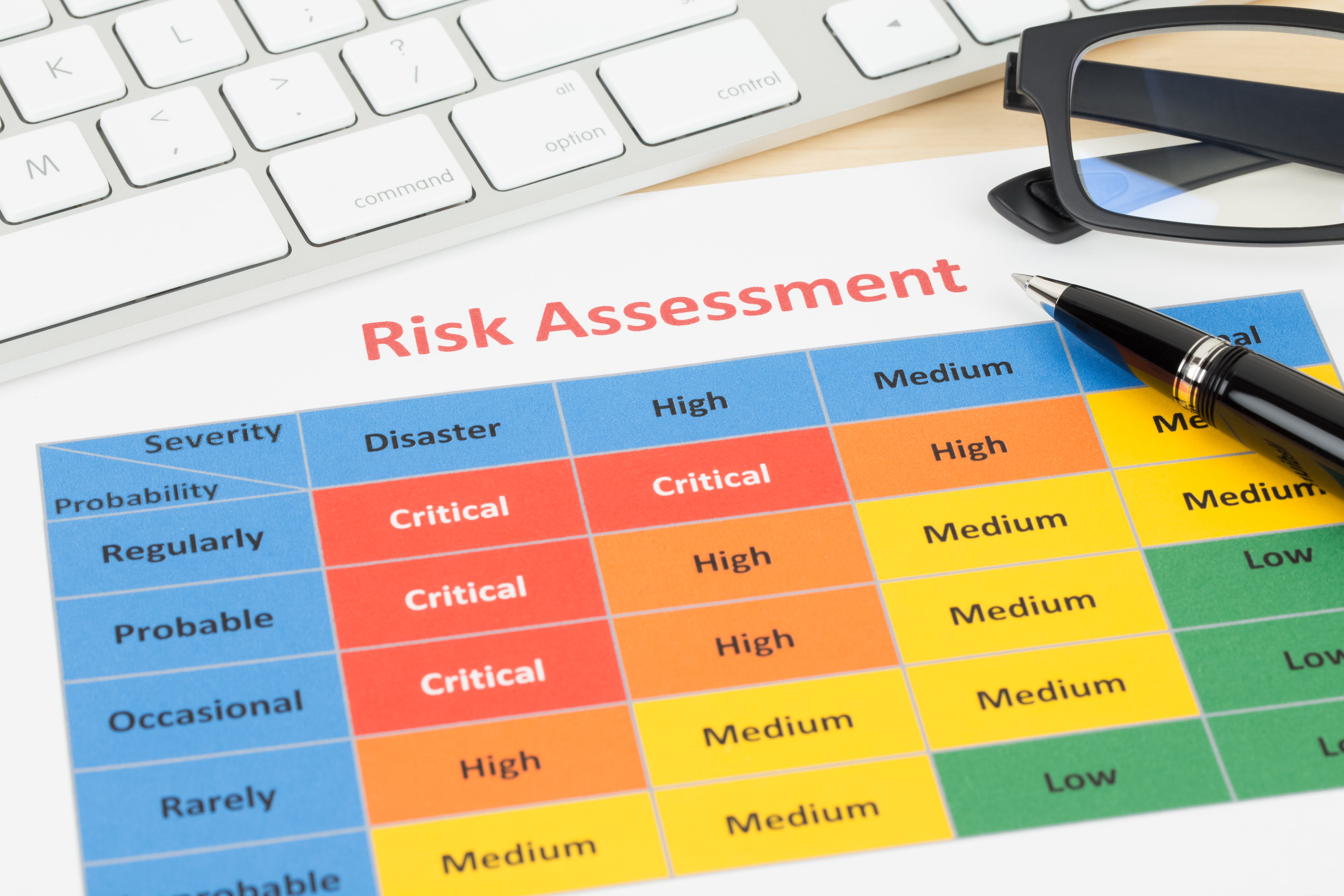
One useful method for prioritizing risks is the development of a risk matrix, which categorizes risks based on their probability and impact. This visual representation helps organizations focus on high-priority risks that require immediate attention.
Developing Risk Mitigation Strategies
After prioritizing risks, it's essential to develop strategies to mitigate them. These strategies should be tailored to the specific nature of each risk and the resources available to the organization.
Common risk mitigation strategies include:
- Avoidance: Eliminating activities that introduce risk.
- Reduction: Implementing measures to reduce the likelihood or impact of risks.
- Transfer: Shifting risk to another party, such as through insurance.
- Acceptance: Acknowledging the risk and preparing to manage its impact.
Continuous Monitoring and Review
Risk management is not a one-time process but an ongoing activity. Continuous monitoring and reviewing of risks and mitigation strategies are crucial for maintaining an effective risk management framework.
Regular audits, feedback mechanisms, and performance indicators can help ensure that risk management strategies remain relevant and effective. Adjustments should be made as new risks emerge or existing ones evolve.

Building a Risk-Aware Culture
Finally, fostering a risk-aware culture within the organization is vital. This involves educating employees about the importance of risk management and encouraging proactive risk identification and reporting.
By integrating risk awareness into the company culture, businesses can empower their teams to make informed decisions and contribute to the organization's resilience and success.